 Find my nearest Depot
 Contact




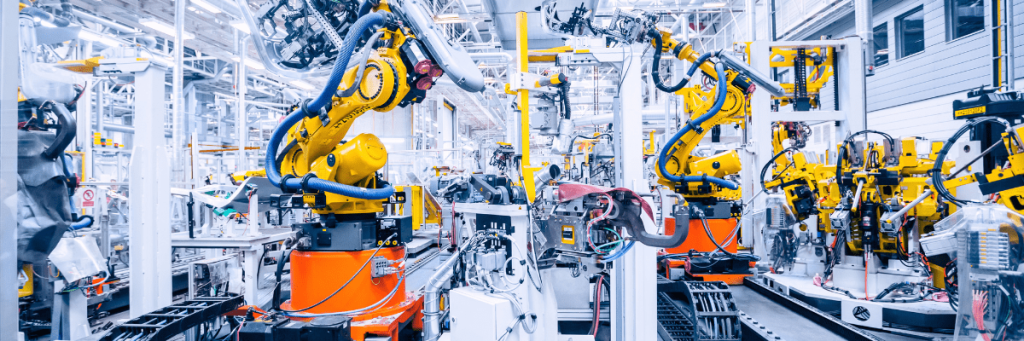
As technology continues to evolve, autonomous plant machinery is emerging as a pivotal innovation in the construction industry. By integrating advanced AI systems, GPS technology, and sensory arrays, these machines promise to revolutionise efficiency and safety on worksites. However, as with any transformative technology, there are advantages and challenges to consider.
What is Autonomous Plant Machinery?
Autonomous plant machinery refers to construction equipment that operates independently without direct human control. Using advanced software, cameras, and GPS technology, these machines perform tasks like excavation, material transport, and road grading with minimal human intervention.
Advantages of Autonomous Plant Machinery
Increased Safety
Autonomous systems reduce the need for human operators in hazardous environments. In quarries, for example, dump trucks can navigate challenging terrain, minimising the risk to personnel.Enhanced Efficiency
Machines equipped with AI can operate around the clock, maintaining high productivity levels without breaks or fatigue. Consistency in operations reduces downtime and boosts project timelines.Labour Shortage Solution
The construction industry faces a significant labour shortfall. Autonomous machines can alleviate this by performing repetitive and labour-intensive tasks.Cost-Effective Long Term
Though initial investment costs may be high, autonomous machinery can lower operational expenses by reducing reliance on manual labour and human error.
Disadvantages of Autonomous Plant Machinery
High Initial Costs
Acquiring autonomous plant machinery or retrofitting existing equipment requires significant upfront capital, which can deter smaller contractors.Job Displacement
Automation could lead to reduced demand for certain types of labour, raising concerns about employment in the industry.Technical Challenges
Sophisticated systems, like those showcased in Deere’s autonomous dump trucks, rely heavily on precise calibration and robust hardware. These systems must function flawlessly to ensure safety, which can be challenging in harsh environments.Cybersecurity Risks
Autonomous machines rely on data transmission and AI systems, which could be vulnerable to hacking or technical malfunctions.
Safety: The Core Priority
Safety remains a primary focus of autonomous plant machinery development. Technologies like stereo camera arrays and GPS systems ensure precision, reducing accidents caused by human error. For instance, John Deere’s autonomous articulated dump truck uses a “halo” of cameras to navigate quarry operations with remarkable accuracy. Features like real-time route mapping and automated obstacle detection further enhance safety, enabling secure operation even in high-risk zones.
Autonomous Plant Machinery in Practice
Deere’s 460 P Tier articulated dump truck is a notable example of how autonomous systems are being integrated into construction. By retrofitting existing machines with cost-effective camera arrays and control systems, Deere aims to address labour shortages while ensuring reliability in challenging environments.
Such advancements suggest that autonomous machinery may soon become a common feature in quarries and construction sites, paving the way for safer and more efficient operations.
H. E. Services: Leading the Charge in Modern Plant Machinery
H. E. Services (Plant Hire) Ltd is at the forefront of innovation in the UK construction industry. Offering a wide range of cutting-edge plant machinery, including electric diggers and human-form recognition cameras, H. E. Services is committed to enhancing safety and sustainability on worksites.
While the company has not yet incorporated autonomous plant machinery into its fleet, its track record of staying ahead of industry trends suggests it won’t be long before autonomous systems become part of their offerings. H. E. Services continues to lead the way, ensuring the UK construction sector has access to the most modern and reliable machinery.
The Verdict: Is Autonomous Plant Machinery the Future?
Autonomous plant machinery holds immense potential for transforming the construction industry. It promises safer, more efficient, and cost-effective operations. However, challenges like high costs, technical complexities, and potential job displacement must be carefully managed.
As industry leaders like H. E. Services explore integrating autonomous technologies, the future of construction machinery seems increasingly aligned with innovation, ensuring safer and more productive worksites across the UK.
All information correct as of: March 2025
